2026/7 Reading Group Session I
Reading Group I: “Science and Perception in Descartes” and “Essay on the Notion of Reading,” with Francesca R. Recchia Luciani
2026/7 Reading Group Session II
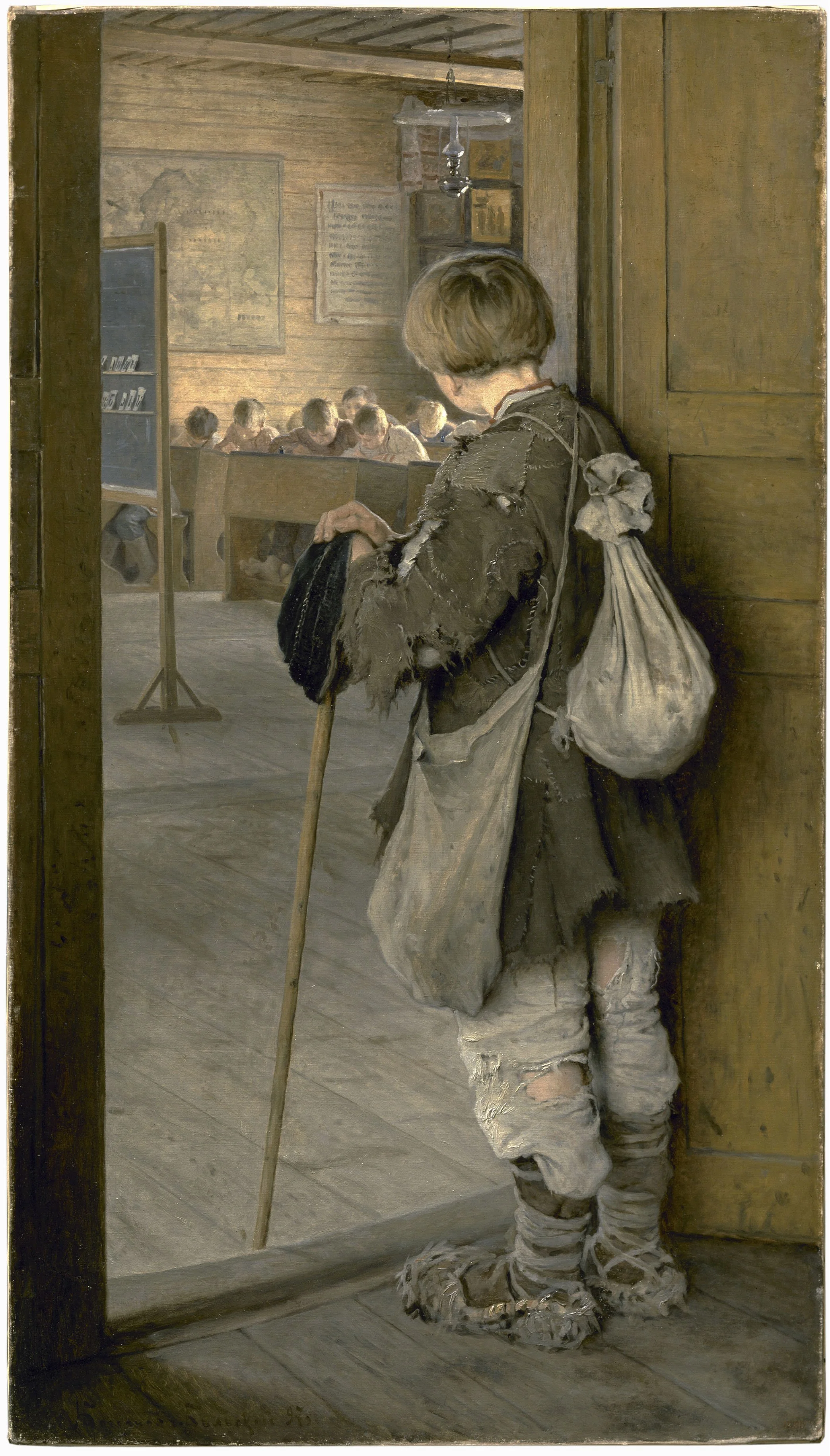
Reading group on “Reflections on the Right Use of School Studies with a View to the Love of God” with Dr. Ryan Poll
Book Release Event
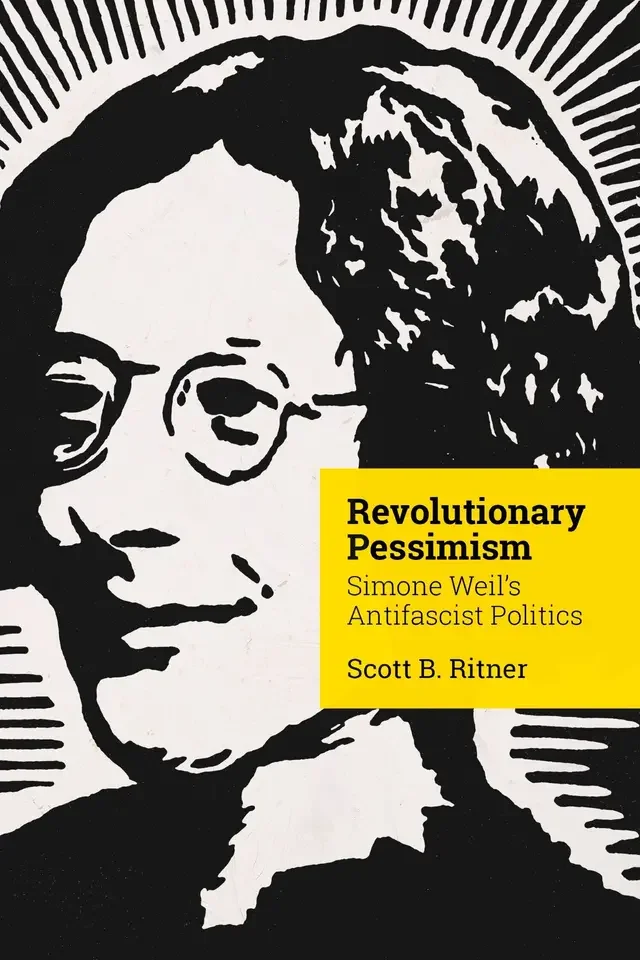
Book Release Event for Dr. Scott Ritner’s
Revolutionary Pessimism: Simone Weil’s Antifascist Politics
Friday December 11, 3PM ET.
Mark your calendars and remember to be up to date on your membership to join! More details soon.
Scott B. Ritner argues that the antifascist philosopher and mystic Simone Weil's critical writings about the social crises of the mid-twentieth century, especially fascism, are particularly instructive for today. Now, as then, liberal democratic capitalist states are under threat from authoritarian leaders and fascist movements. Situating Weil and her work in the tradition of pessimistic critical theory, Ritner reveals how Weil's work can be understood as participating in an ongoing project critique of capitalist and liberal, neoliberal, and fascist modes of domination. This novel interpretation of Weil's work argues for reading her combined anarchist, Marxian, anti-racist, anti-colonial, and Platonic approaches to political thought holistically alongside her mystical Christianity and Judaism as a singular antifascist project in which pessimism is given political prominence. Taking up Weil's critiques of the State, the organization of labor, the use and effects of violence, and the ideology of revolution, Ritner mobilizes Weil's idiosyncratic antifascist politics towards a conceptual framework he calls "revolutionary pessimism"—defined as root-and-branch political action without expectation. As Ritner persuades, the revolutionary pessimism perceivable in Weil's writing can reorient antifascism from a defensive political posture to an offensive posture of generative permanent revolt.

2026/7 Reading Group Session III
Reading Group III: "A Medieval Epic Poem" and "The Romanesque Renaissance" with Dr. Rachel Matheson.


2026/7 Reading Group Session IV
Reading Group IV “ Human Personality” with Dr. Inese Radzins
2026 Colloquy at Texas A&M University
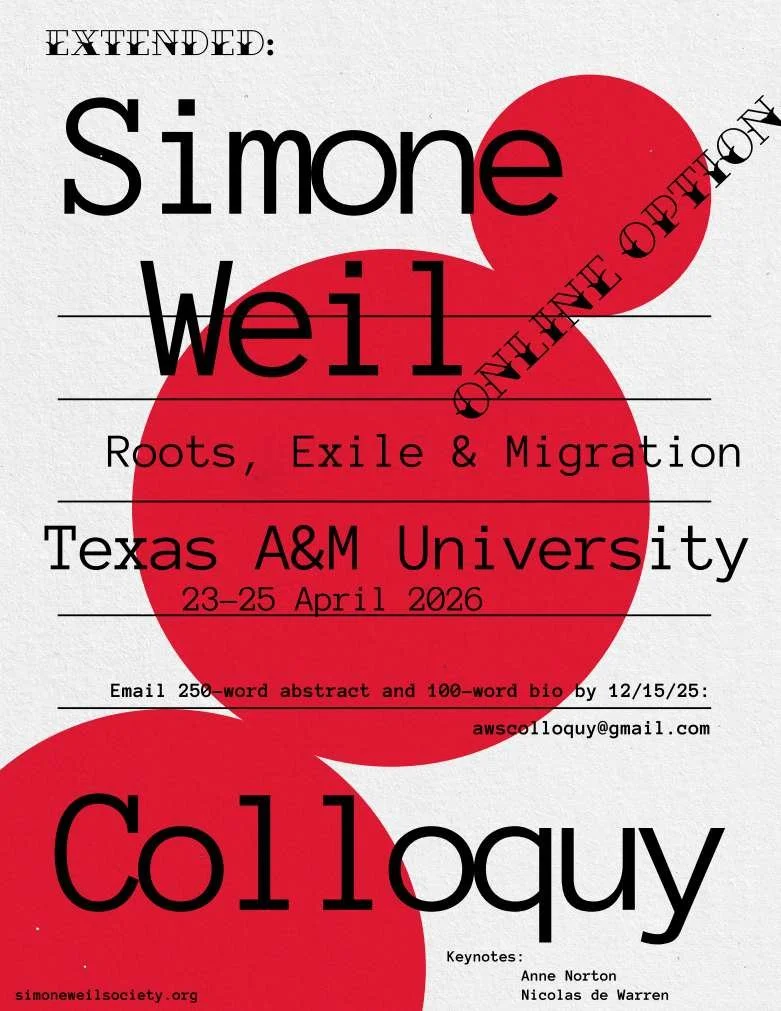
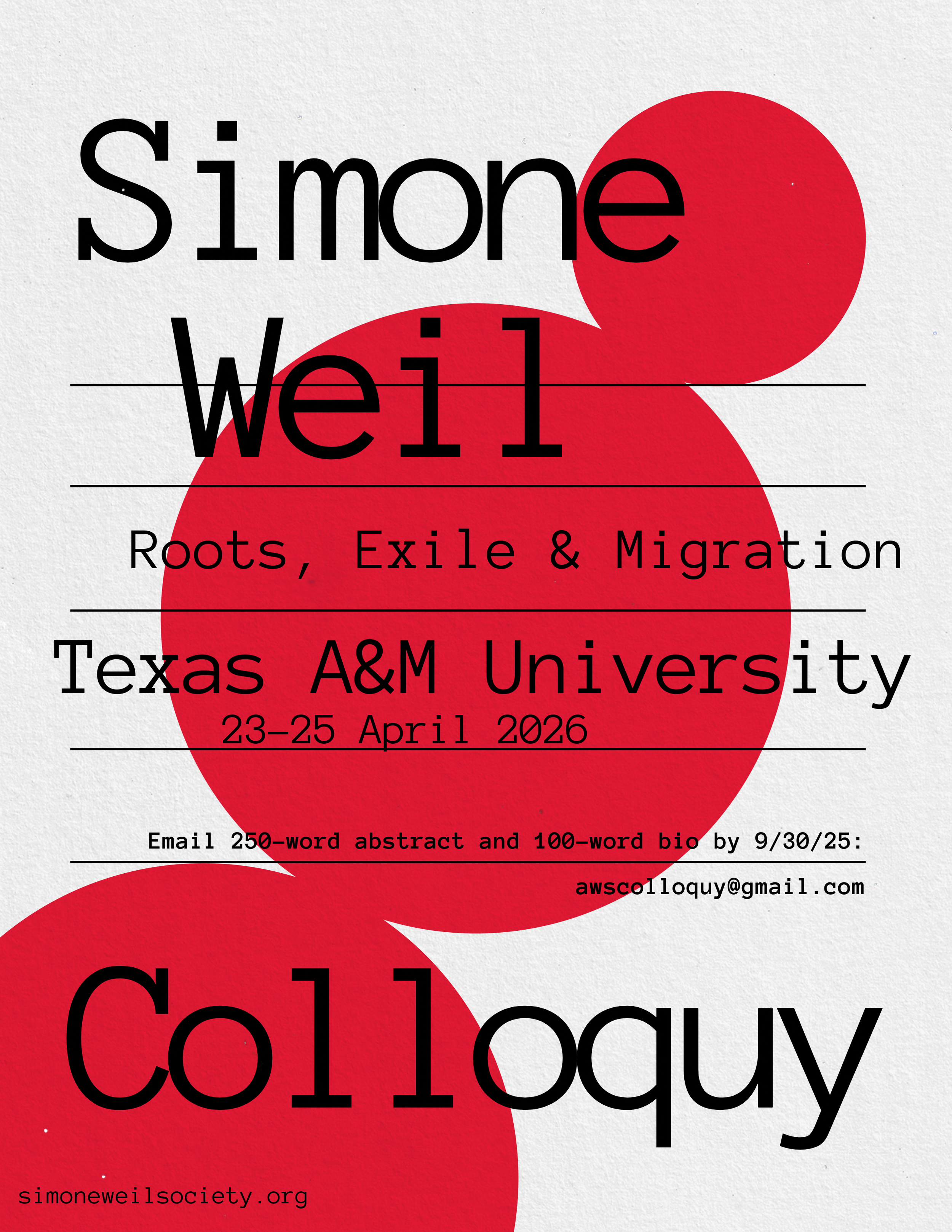
The call for papers has been extended to December 15. Please email us your abstract on this timely theme of Weil, Roots, Exile, and Migration or other Weil-related papers.
If you will not be able to attend in-person, we will have a special on-line presentation option and you will be able to watch the other presenters at the conference virtually.

Spring 2026 Online Conference
Spring 2026 Online Conference: Roots, Exile, and Migration
Saturday April 18. 2026
Everyone registered for the in-person colloquy and the online conference is welcome to join us! With your registration for either, you will receive a zoom link to the conference.
To register, please go to the online conference registration.
Schedule:
9:00AM EDT Welcome
9:15AM-10:45AM EDT- Session One: Panels A & B
11AM-12:30PM EDT- Session Two: Panels A & B
Lunch break 12:30PM- 1:30PM EDT
1:30-2:30 PM EDT Keynote address
2:45PM-4:15 PM EDT- Session Three: Panel A & B
4:30- 5:45 PM EDT- Session Four: Panels A & B
5:45 PM EDT Closing remarks
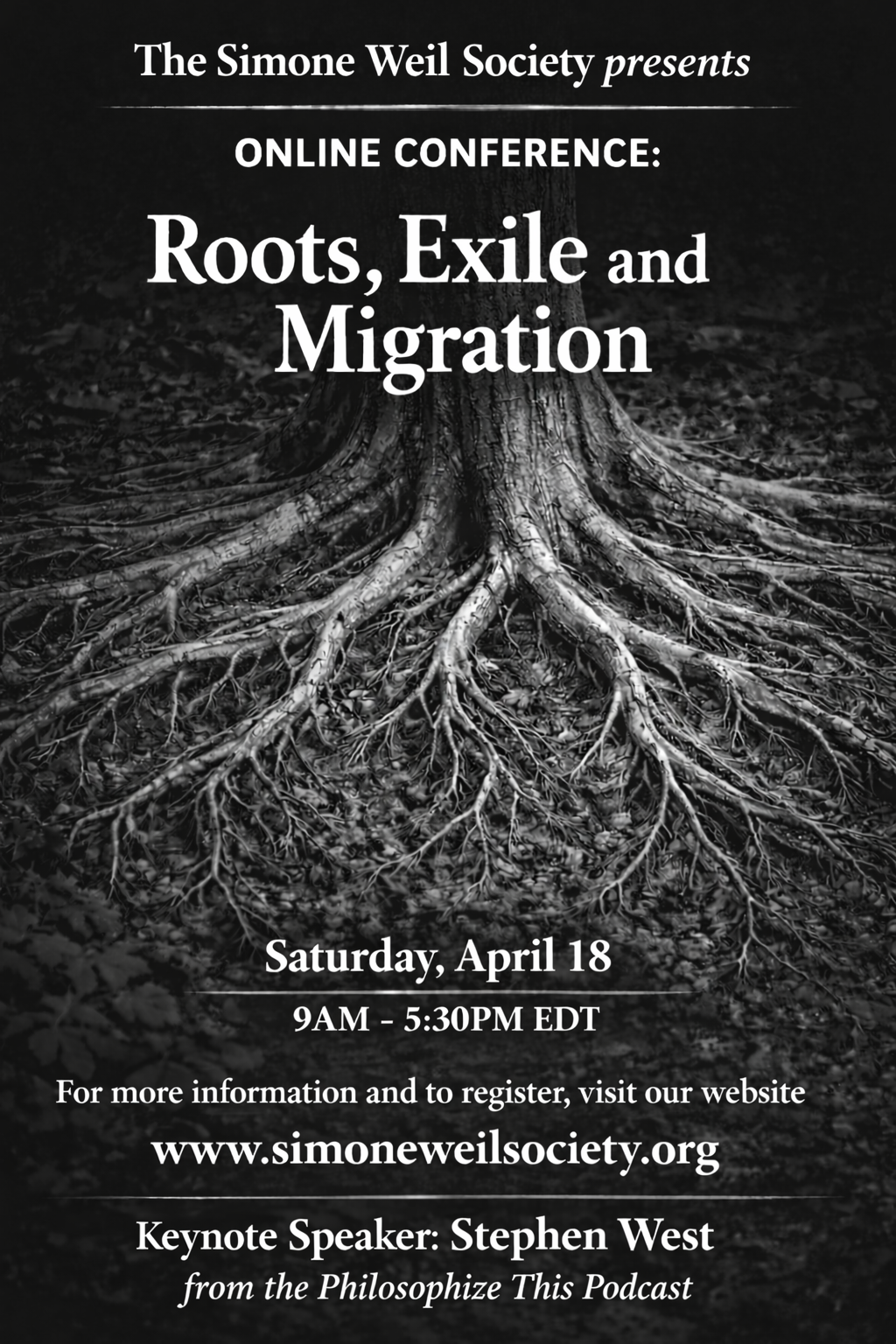
Detailed Schedule
Roots, Exile, and Migration
Simone Weil Society Online Conference
Saturday 18 April 2026
Schedule
9:00AM EDT Welcome
9:15AM-10:45AM EDT- Session One: Panels A & B
11AM-12:30PM EDT- Session Two: Panels A & B
Lunch break 12:30PM- 1:30PM EDT
1:30-2:30 PM EDT Keynote address
2:45PM-4:15 PM EDT- Session Three: Panel A & B
4:30- 5:45 PM EDT- Session Four: Panels A & B
5:45PM EDT Closing remarks
9:00–9:15 Welcome
Benjamin P. Davis and AWS Board
A brief welcome and further ways to connect with the Society.
9:15-10:45 Session One
Panel A: Spirituality
Moderator: Adam Rosenthal
Rootedness as Integration of the Whole Human Being
Teresa Piechowiak, University of Warsaw
Abstract: The talk shall aim to explore Simone Weil’s notion of rootedness (enracinement) as it points at the participation of all the aspects of the human being in one’s spiritual progress. Rootedness may provisionally be defined as the use by an individual of resources from the cultural environment that support this progress.
Mysticism without Confession: Simone Weil’s Impersonal in a Post-Secular Key
Simon Francesco Di Rupo, University of Perugia
Abstract: Simone Weil’s thought opens an unexpected path toward a contemporary mysticism beyond confessional boundaries. At its center, in the book "Human Personality", lies the category of the “impersonal,” which does not signify anonymity or the dissolution of individuality, but rather the threshold where the human being is rooted in goodness, truth, and beauty, beyond the claims of the self. The paper seeks to bring this perspective into dialogue with contemporary debates on the post-secular, where religion reappears in unexpected, often non-institutional forms.
Phenomenological Exegesis of Plato: Weil and Plotinus at the Threshold of Christianity
ZHU Yujin, Sorbonne
Abstract: This paper reads Simone Weil and Plotinus as unconventional exegetes of Plato whose shared phenomenological posture—a return to lived experience as the ground of metaphysics—
reframes their proximity to, yet separation from, Christian revelation.
Panel B: Pedagogy
Moderator: Ryan Poll
Simone Weil and Algebra
Ehsan Momtahan, Yasouj University
Abstract: This paper examines Simone Weil’s seemingly negative attitude toward algebra, as expressed in the section titled “Algebra” in Gravity and Grace. At first glance, Weil appears to reject algebra as a mathematical discipline. I argue, however, that her critique is directed not at algebra per se, but at a particular mathematical ideology shaped by her direct encounter with Bourbakism.
Simone Weil on Attention
Melina Garibovic, North Central College
Abstract: In “Reflections on the Right Use of School Studies with a View to the Love of God”, Simone Weil develops the idea of ‘attention’. The lower form of attention that is used in learning school subjects, she argues, is intended to train us for the higher form of attention that is used in prayer. In the course of the essay, Weil makes two claims of special interest to me: (1) that performing well those activities which train our attention is not necessarily a good thing; and (2) that attention cannot be wasted because one will always, though perhaps unexpectedly and in another area, gain from having attended closely to something.
Survival and Life: Reading Weil on Migration with The Book of Records
Cynthia R. Wallace, St. Thomas More College, University of Saskatchewan
Abstract: “There is necessity and there is beauty,” one character tells another in Madeleine Thien’s 2025 novel The Book of Records. “There is survival and there is life, and I will hold them both.” Thien is on the record as an admirer of Weil, and the text’s central themes suggest a rich intertextual conversation with Weil’s work. In this paper, I propose to explicate that conversation.
11:00AM – 12:30 PM Session Two
Panel A: Politics
Moderator: Cristina Basili
What the Left Hand Cannot Know:
Divine Asymmetry and the Ontology of Care in Simone Weil’s Politics
Sarah Lorgan-Khanyile, Harvard University
Abstract: In Plato’s Laws, an Athenian argues that “when people train the left hand to be weaker than the right they are going against nature” (795a). As the Athenian explains, this dereliction of ambidexterity effaces an originary equality between the two hands thereby rendering the population “lame-handed.” By contrast, in Gravity and Grace, Simone Weil expressly argues that “the left hand should not know.” Insisting on the asymmetry of hands, Weil draws on Matthew 6:3 wherein Christ admonishes good actions for the end of public perception, insisting instead upon the secrecy of the act of giving.
Madness as Resistance in Simone Weil’s “Are We Struggling for Justice?”
Rachel Matheson, University of Saskatchewan
Abstract: In response to her project of frontline nurses, Charles de Gaulle famously labelled Simone Weil as simply “mad” (folle). At the same time, however, Weil was working on her own articulation of “madness” in a short piece entitled “Are We Struggling for Justice?.” In the essay, she interrogates the foundations of justice, calling for a form of “mad love” that challenges France’s participation in colonialism and conventional assumptions about justice.
On Spiritual Wounds and Reactionary Shortcuts: Uprootedness in the Rise of the Far Right
Maria de las Mercedes Lopez Mateo, Universidad Autónoma de Madrid
Abstract: In the 1940s, Simone Weil devoted her final intellectual efforts to examining the obligations inherent to every human being, grounded in the needs of the soul: order, freedom, and truth were only some of them. The need she considered most essential—and at the same time most neglected—was the need for roots; accordingly, its absence constitutes the gravest spiritual illness of our civilization, both then and now. In this context, we must ask: Will we be capable of reclaiming rootedness without once again falling into the reactionary abyss?
Panel B: Literature and Art
Moderator: Inese Radzins
Simone Weil and The Iliad
Daniel Stepke, Duquesne University
Abstract: At the end of her essay The Iliad; Or, the Poem of Force, Simone Weil wonders how long it will take for the Greek spirit she has described to return in the West. She describes a universal understanding of the death that hangs over us all; the equal susceptibility of all men to suffering and force; and the capricious nature of things. I would like to argue that, behind the veil of pure force lies another element of the Greek, equally susceptible to horror but resplendent and conscious: the assertoric nature of man.
Simone Weil and Romantic Anti-Capitalism
Alexander Perelson, Hudson County Community College
Abstract: In this paper, I will examine the relationship between Simone Weil and the current described by Michael Löwy and Robert Sayre (in Romantic Anti-Capitalism and Nature) through an analysis of her works Gravity and Grace, the Need For Roots, and The Iliad or the Poem of Force arguing that there are both significant overlaps and notable divergences between Weil and this category.
Reclaiming the Journal d’Espagne:
Libertarian Communism from Zaragoza to London in Simone Weil
Xavier Artigas Esclusa, filmmaker, independent researcher and lecturer
Pau Matheu Ribera, independent scholar and high school teacher
Abstract: This paper presents a new interpretation of Simone Weil's Journal d'Espagne, drawing on original research from Vivir la fuerza (Pepitas, 2025), which reconstructs in detail Weil's experience in the Spanish Civil War. While prior scholarship has largely treated this short notebook as fragmentary and marginal, an unprecedented micro-analytic method—examining incomplete phrases, torn pages, and itinerary reconstruction—reclaims it as a crucial articulation point between lived experience and philosophical elaboration: not a secondary text, but a generative document.
12:30-1:30 Lunch Break
1:30- 2:30 Keynote Address
Simone Weil: The Courage Required for Growth
Stephen West, Philosophize This Podcast
Moderator: Benjamin P. Davis
2:45-4:15 Session Three
Panel A: Roots
Moderator: Inese Radzins
Simone Weil’s Asceticism as a Response to Modern Forms of Déracinement
Karoline Ritter, Universität Greifswald
Abstract: By interpreting ‘déracinement’ as the fundamental condition of the modern subject, this paper shows how Weil reconfigures ascetic practice as an act of ‘rooted attention’: a posture of receptivity that neither denies uprootedness nor seeks to overcome it through consolatory narratives. Instead, Weil turns ‘attention’ into the very site where moral responsibility and freedom and transcendence can be rediscovered.
Texts as Roots: Déracinement and the Search for Grounding
Beatriz Nunes, Institut für Romanistik, Humboldt-Universität zu Berlin
Abstract: This paper examines how Weil sees texts as a form of roots, and how their act of reading becomes central to the question of rootedness. It also interrogates the limitations of this approach, including issues of eurocentrism, retrospectivism, and the tension between rootedness and rootlessness.
“No to the New Uprooting”:
Vernacular Historiography and the Defense of Roots in the Agrafa Mountains
Alyssa Mendez, University of Chicago
Abstract: With the slogan, “No to the new uprooting,” Agrafiots reject the proposed installation of 9 km2 of photovoltaic infrastructure in grazing lands and on the surface of Lake Kremasta. This paper explores the resonances between Agrafiot’s refusal of their uprooting and Simone Weil’s analysis, in The Need for Roots, of the social and psychical impacts of rural industrialization. In conclusion, it considers whether Agrafiot vernacular historiography might be an instance of the kind of place-specific education that Weil prescribed as a corrective.
Panel B: Ethical Actions
Moderator: Rachel Matheson
Simone Weil, Gillian Rose, and the Ethico-Aesthetics of Eating the Sun
Peli Meir, Haifa University
Abstract: Simone Weil’s theory of uprootedness, as developed in The Need for Roots, identifies modern alienation as a severing from tradition, place, and community. Weil’s remedy is “re-rooting”: restoring connections to land, labor, and collective memory to recover belonging and purpose. Eating becomes an ethical-aesthetic concept, rooting the human in the cosmic cycle and mediating between matter and the divine. Thus, paradoxically, “the eternal part of the soul feeds on hunger.” Gillian Rose, in Love’s Work, reworks this motif through her bodily ordeal with cancer and a colostomy. She writes candidly about her experience with excrement, describing her colostomy bag with clarity, linking it to reflections on mortality and embodiment. This material reality grounds her critique of Weil’s rejection of agonism; in “Angry Angels,” Rose insists contra Weil that ethics must remain entangled with the messiness and excremental conditions of human existence.
Exile, Uprootedness, and Spiritual Dissidence
in Simone Weil, José Bergamín, and Nicolas Berdiaev
Simon Bongrand, ENS de Lyon
Abstract: This presentation, derived from a research thesis defended at the École Normale Supérieure de Lyon in June 2025 and which continues through ongoing article projects, aims to introduce into Weil studies a comparative reading of Simone Weil, José Bergamín, and Nicolas Berdiaev—three thinkers marked by the tragic experience of exile and uprooting caused by the wars and revolutions of the twentieth century.
Exile as the Spatial Form of Affliction in Simone Weil
Julien Lagalle, Université de Caen-Normandie
Abstract: Although scattered throughout Simone Weil’s corpus, references to the notion of exile reveal its central role in the development of her thought, serving as a thread that links the problem of human needs to that of salvation. Early on, exile appears as a metaphor for the alienation of workers from their lives and workplaces. In Marseille, Weil broadens the concept to encompass any loss of the sense of reality. At the same time, however, the term takes on a new, paradoxical value: exile becomes the very condition for salvation. How should we understand this reversal?
4:30-5:45 Session Four
Panel A: Weil in Dialogue
Moderator: Cynthia Wallace
Thou shalt love thy neighbor as thyself: The Ethical Commandment,
Between Ethics and Aesthetics in Simone Weil and Adel Abdessemed
Elinore Darzi, Trinity University
Abstract: For Simone Weil, the biblical commandment ‘Thou shalt love thy neighbor as thyself’ entails not only love of the other but also a radical reconfiguration of selfhood. As she writes, it “implies as a counterpart: to love oneself as something foreign, in the same way as something foreign” (The Notebooks of Simone Weil, 496). In this conference paper, I will analyze this claim to demonstrate how this verse is not only fundamental to Weil’s ethical, political and theological philosophy - but also central to her aesthetics.
Crisis, Hope, and Exile in Simone Weil and Søren Kierkegaard
Malwina A. Tkacz, Trnava University & Cardinal Stefan Wyszyński University in Warsaw
Abstract: The paper explores exile as an existential and spiritual condition through the thought of Simone Weil and Søren Kierkegaard, asking how hope remains possible when human beings are deprived of rootedness, stability, and belonging.
Anastasia Filippovna: Mental Illness as Exile
Dialogue between Simone Weil and Fyodor Dostoyevsky
Constanza Giménez, Pontificia Universidad Católica de Chile
Alejandra Novoa-Echaurren, Universidad de los Andes
Abstract: The following presentation delves into the character of Dostoevsky’s Anastasia in depth, examining the two opposing perspectives that critics have traditionally taken regarding her moral and spiritual status, as presented by authors such as Grossman, Steiner, Berdiaev, Frank, and Pareyson, alongside more recent studies. We propose that the concepts of misfortune (malheur), uprooting, sublimation, and sacrifice proposed by French philosopher Simone Weil provide us with a more meaningful interpretive key to understanding Anastasia Filippovna as an archetype of the suffering—a victim of the most real of miseries—who, only through the most brutal contradictions, manages to lift her soul upward.
Panel B: Platonism and Neo Platonism
Moderator: Cristina Basili
Manifestations of Social Justice in Plato’s Republic and Simone Weil’s The Need for Roots
Sarah Janker, Western University of Ontario
Abstract: What is social justice and how does it become manifest in the ideal state? Focusing on Simone Weil’s chapter on “The Needs of the Soul” in “The Need for Roots” and Book II-IV of the Republic, this paper investigates how Plato and Simone Weil envision the organization of an ideal state.
Plotinus and Simone Weil on How Does the Soul Get Back Home?
Alejandro Martinez Gallardo, Universidad Complutense de Madrid
Abstract: This paper argues that Simone Weil's contemplative philosophy can be fruitfully read alongside Plotinus's Enneads. Although Weil never commented on Plotinus (apart from a brief note), both interpret Plato as a mystical sage offering an initiatory path in which myth and allegory function as symbolic markers to guide the soul's return home. For each, the human soul is exiled in the world and in need of reorientation toward the Good.
5:45 Closing Remarks
Benjamin P. Davis and AWS Board

Reading Group 4: Weil and Politics
Reading Group Four: Weil and Politics
Francisco de Goya. The Third of May 1808, 1814. Oil on canvas, 266 cm × 345 cm (105 in × 136 in). Museo del Prado, Madrid.
“On the Abolition of all Political Parties” with Scott Ritner
Sessions will be 1.5 hours in length, 45 minutes for Dr. Ritner to unpack his reading of the text and 45 minutes for general questions, answers, comments, and ideas. These sessions will be held on zoom and are open to all AWS members, so if you or anyone you know is interested in participating, please join the AWS. The sessions will be recorded, slightly edited, and made available to the public via Youtube. More details to follow.
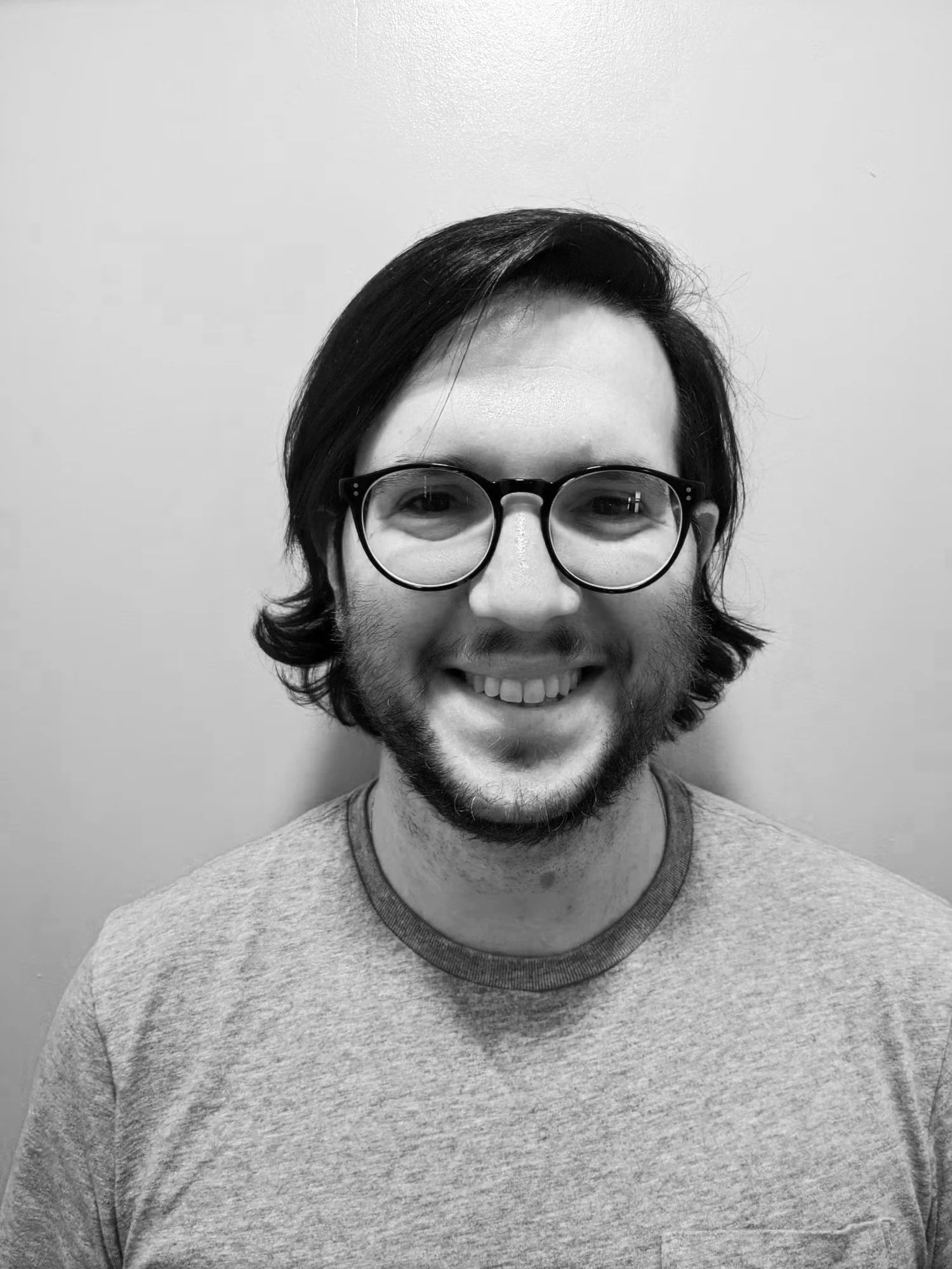
Scott B. Ritner teaches Political Theory at University of Colorado Boulder. He earned his PhD from The New School for Social Research in 2018. Scott's research focuses on 20th and 21st Century Critical Social Theory, Race & Ethnic Politics, fascism and antifascism, and Popular Culture. His book manuscript, Revolutionary Pessimism, The Political Thought of Simone Weil is under advance contract with Stanford University Press. He is the author of numerous articles and chapters on Weil's political thought. When he is not researching or writing, you can (try to) find him in the mountains.
Dr. Ritner will be referencing the following translation/ edition: Simone Weil, On the Abolition of all Political Parties. Translated by Simon Leys. New York: New York Review of Books, 2013. If possible, please read this version for ease of reference.
A zoom link will be sent to registrants the day before the event.
This event has passed but you are welcome to watch the video below and please consider joining us for future events.
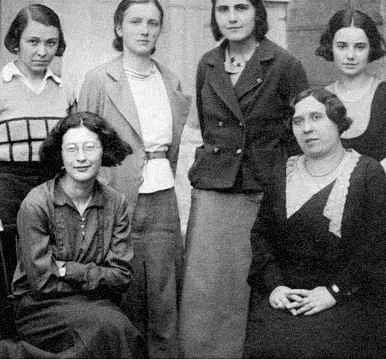
Graduate Student Workshop: Mercedes Lopez Mateo
Please join us over Zoom to discuss the current Ph.D. work of Maria de las Mercedes Lopez Mateo .
To attend this event, please register below. The AWS will send out a zoom invitation to all members in the days leading up to the event including the chapter to read beforehand. The event itself will be a friendly discussion of Mercedes’ work and we invite you to bring your thoughts, ideas, and constructive critiques of the chapter.
Rootedness Beyond Progress: Simone Weil’s Conception of the Future
In The Need for Roots, Simone Weil clearly specifies that a human being has roots by virtue of their participation in a community which preserves in living shape certain particular treasures of the past and certain particular expectations for the future. While there is an abundant body of literature—both primary and secondary—on Weil’s understanding of the past (for instance, her relationship to culture, tradition, or Greece), this is not the case with regard to the future, which she seems to address primarily in terms of a critique of progress.
How, then, are we to understand what it means to be rooted in the future, when much of the philosophy of the last centuries has been able to pose this question only in terms of progress? This chapter proposes an interpretation of the Weilian definition of the future and argues that it conceals ethical and political perspectives that ultimately lead back to Aristotelian philosophy.
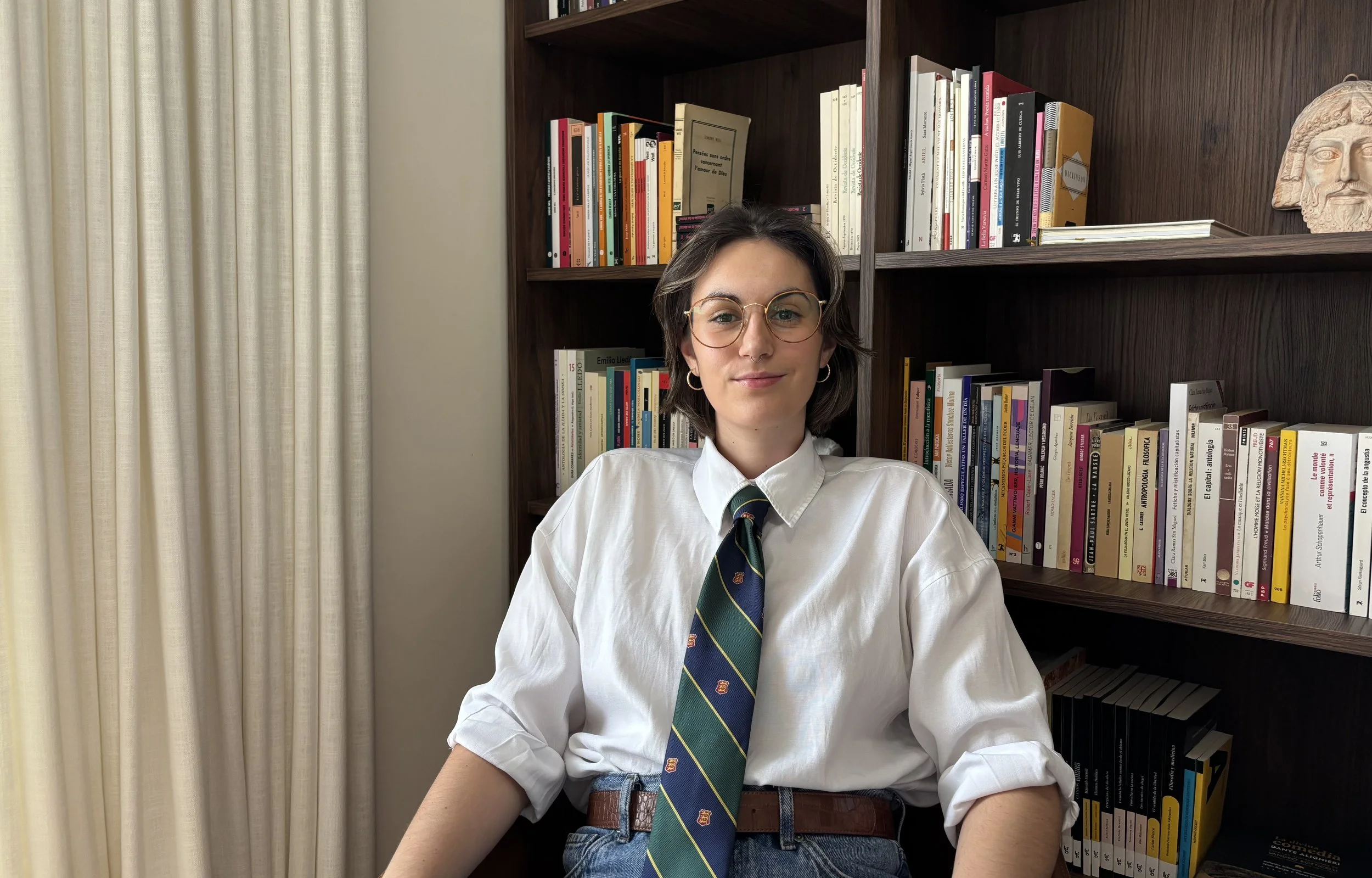
Mercedes López is a PhD candidate in Philosophy at the Universidad Autónoma de Madrid, supported by a fellowship from the Spanish Ministry of Science and Universities. She holds a bachelor’s degree in Philosophy, Politics, and Economics from Pompeu Fabra University (Barcelona), the Autonomous University of Madrid, and Carlos III University of Madrid. She also holds a master’s degree in Philosophical Criticism and Argumentation, as well as a master’s degree in Classical Studies. Her PhD dissertation focuses on the concept of rootedness in Simone Weil and her reception of classical literature and ancient political philosophy. The text presented here is part of her PhD dissertation, which she is currently writing.
Her most recent publications include a book on the Ethics of Care, Arqueología de los cuidados (Alianza Editorial, 2025); a monograph on Simone Weil (Libros de Filosofía & Co., 2023); and a new introduction to Plato’s Parmenides (Gredos, 2025), as well as peer-reviewed articles in several specialized journals in the fields of Philosophy and Classical Studies.
Registration for this event is now closed.

Reading Group 3: Weil and God
Reading Group Three: Weil and God

“Forms of the Implicit Love of God” with Kate Lawson
Sessions will be 1.5 hours in length, 45 minutes for Dr. Lawson to unpack her reading of the text and 45 minutes for general questions, answers, comments, and ideas. These sessions will be held on zoom and are open to all AWS members, so if you or anyone you know is interested in participating, please join the AWS. The sessions will be recorded, edited, and made available to the public via Youtube.

Kathryn Lawson is a Faculty Fellow at King’s University College in Halifax in the first year program, department of humanities. She received her PhD from Queen’s University in Kingston, ON, where she worked as a lecturer and teaching assistant in the department of philosophy. She has worked as a lecturer at Carleton University, and Heritage CEGEP college. Kate’s book Ecological Ethics and the Philosophy of Simone Weil: Decreation for the Anthropocene was published with Routledge’s Environmental Ethics series (2024). The book examines the philosophy of Simone Weil alongside the ecological ethics of the Anthropocene. Additionally, she acted as co-editor and contributor to a collection on the political philosophy of Weil and Hannah Arendt with Bloomsbury (2024). She has also published a number of chapters and peer reviewed articles on thinkers including Weil, Arendt, Jean Luc Marion, Edith Stein, Richard Kearney, and Hans-Georg Gadamer.
Dr. Lawson will be referencing the following translation of the text, which we recommend all participants use for ease of reference: Simone Weil, “Forms of the Implicit Love of God,” in Waiting for God, trans. Emma Craufurd (New York: Harper Perennial Modern Classics, 2009) : 83-142.
This event has passed but you are welcome to watch the video below and please consider joining us for future events.

Reading Group 2: Weil and Literature
Reading Group Two: Weil and Literature

John Collier. Clytemnestra after the Murder (1882). Oil on canvas, 239 × 174 cm (94 × 69 in). Guildhall Art Gallery, London.
“The Iliad or Poem of Force” with Cynthia Wallace
Sessions will be 1.5 hours in length, 45 minutes for Dr. Wallace to unpack her reading of the text and 45 minutes for general questions, answers, comments, and ideas. These sessions will be held on zoom and are open to all AWS members, so if you or anyone you know is interested in participating, please join the AWS. The sessions will be recorded, edited, and made available to the public via Youtube.
Dr. Wallace will be referencing the following translation of the text, which we recommend all participants use for ease of reference: “The Iliad, or the Poem of Force,” trans. Mary McCarthy (Chicago Review; Jan 1, 1965).

Cynthia R. Wallace is Associate Professor of English at St. Thomas More College, University of Saskatchewan, where she also directs the Irene and Doug Schmeiser Centre for Faith, Reason, Peace, and Justice. Her research and teaching focus on the intersections of contemporary women’s writing, religion, and ethics. She is author of the books Of Women Borne: A Literary Ethics of Suffering (Columbia UP, 2016) and The Literary Afterlives of Simone Weil: Feminism, Justice, and the Challenge of Religion (Columbia UP, 2024). Her writing on Weil has also appeared or is forthcoming in Religion and Literature, Attention, the Kenyon Review, the Ploughshares blog, Commonweal, the Christian Century, and The Routledge Companion to Simone Weil.
This event has passed but you are welcome to watch the video below and please consider joining us for future events.
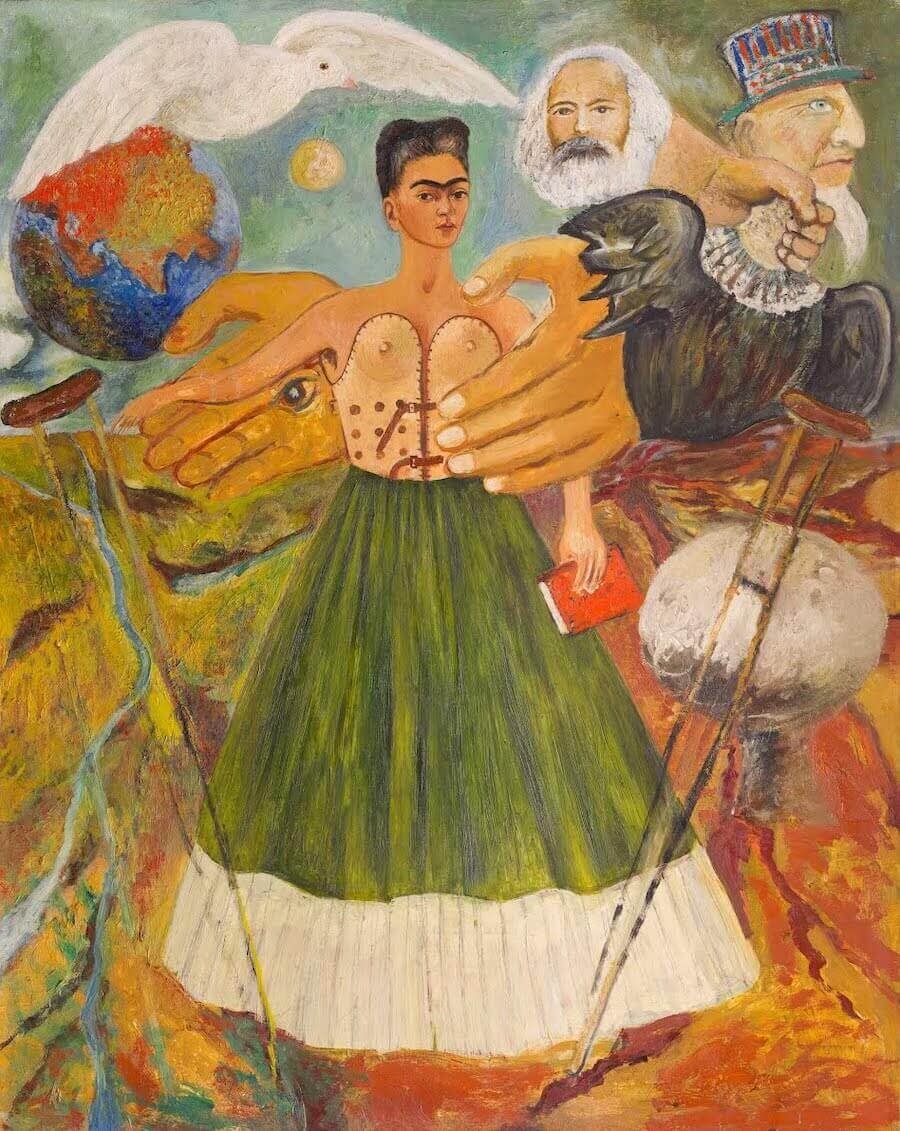

2025 Colloquy at Marquette University
The theme of this year’s colloquy – Simone Weil: Philosopher, Activist, and Mystic – represents central aspects of a person who oriented her philosophical exercise as an act of the intellectual spirit encountering others in their suffering reality and, from there, moving beyond history to the mystical manifestation of a crucified love.

Grad Student Workshop: Emily Griffiths
Please join us over Zoom to discuss the PhD work of Emily Griffiths and her chapter “Simone Weil’s Philosophical Medievalism”.